16 noiembrie 2026
Denver Romanian Church of God
7870 S. Garrison St.
Littleton, CO 80128
United States
„Apărarea credinței într-o lume în schimbare”
Contribuții
O selecție de lucrări care definesc temele centrale ale Colocviului Teologic Româno-American din acest an.
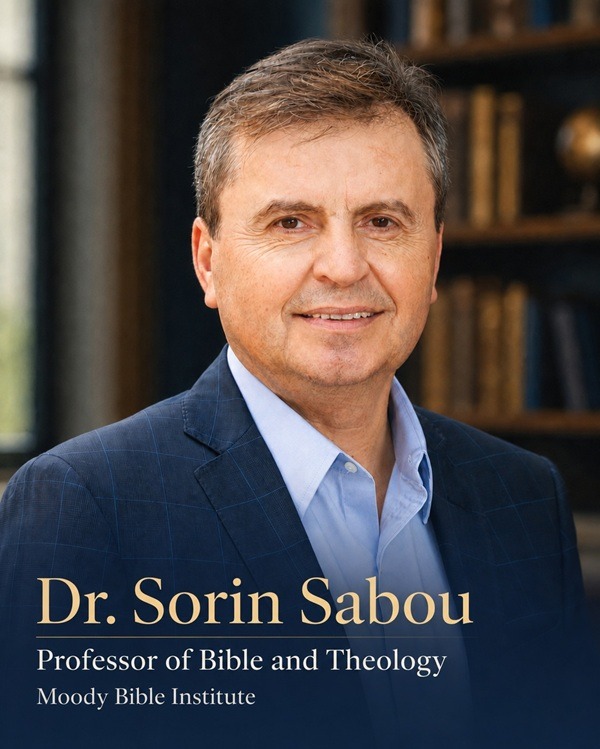
The Meaning of Life and Defending the Faith
Dr. Sorin Sabou
Professor of Bible and Theology at Moody Bible Institute
Abstract. One of the fundamental questions in philosophy and theology is What is meaning of life? The philosophical theological answer to this question can be used to defend the Christian faith. This way of defending the Christian faith compares critically the main philosophical answers with the philosophical theological answers of this question; the purpose of this critical comparison is to show that the Christian faith provides better answers than the other main alternatives.
Thus, this paper starts with an engaging dialogical analysis of the main interlocutors in the field: a) Epicurus and moderate hedonism (emotional calm, good diet, health, prudent moral life, and good friends), b) Epictetus and the stoic answer (resign to your fate, do your duties faithfully, and acquire a tranquility of mind), c) Thomas Nagel and the absurd (that is how we perceive our true situation which cosmically is unimportant), and d) Bertrand Russell and his three passions (love, knowledge, and pity).
Then, in a critical dialogue with Louis Pojman the argument of the paper refines his theistic answer by refocusing it on the answers to the main challenges we face: a) fallenness and mortality, b) rationality and relationality, c) why do good and not evil, d) equal worth and salvation, and e) life after death and divine ultimate end. The Christian theistic answer to these challenges is formulated in terms of a) redemption and resurrection, b) meaning and love, c) our interest, d) imago dei and grace and faith, and e) eternal life and the vision of God; this answer provides a comprehensive alternative and, by implication, the question of the meaning of life offers a strong defense for the Christian faith.
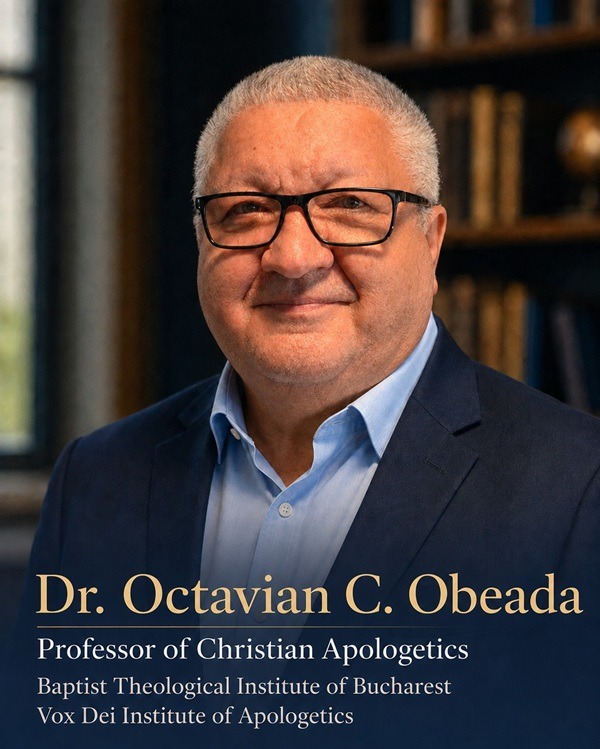
Bridging Faith and Reason
Philosophy as Conceptual Mediator in the Dialogue between Theology and Science
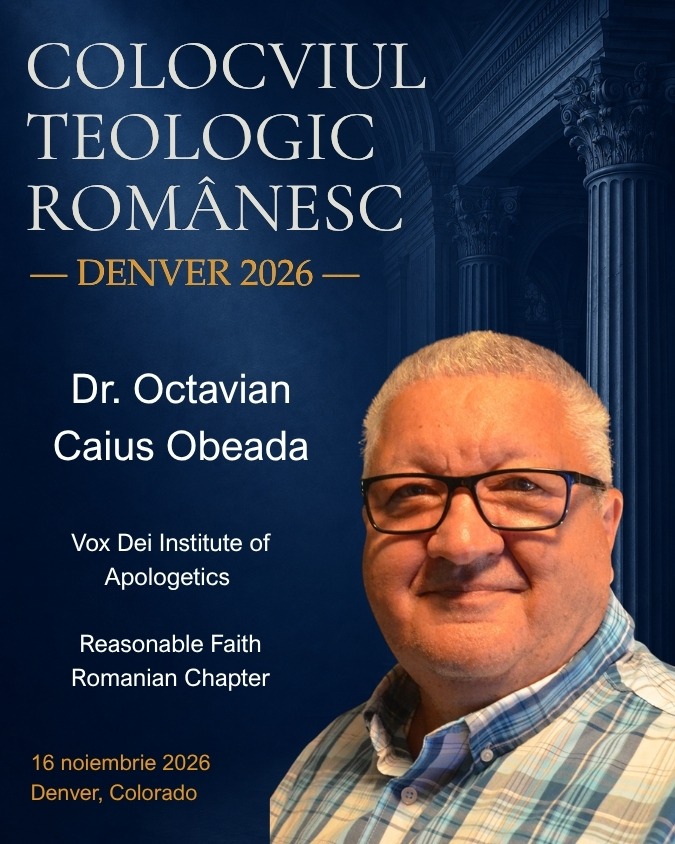
Dr. Octavian Caius Obeada
Professor of Christian Apologetics at the Baptist Theological Institute of Bucharest and the Vox Dei Institute of Apologetics
Abstract. The familiar opposition between faith and reason is historically misleading and philosophically unstable. Christian theology has repeatedly employed rational inquiry, while the natural sciences depend on logical, epistemological, and metaphysical judgments that empirical methods alone cannot establish. This paper asks how Christian theology and the natural sciences can enter a responsible dialogue without reducing revelation to scientific inference, converting science into a comprehensive worldview, or assigning the disciplines to unrelated domains. It argues that philosophy serves as a conceptual mediator rather than a neutral sovereign: it clarifies terms, exposes hidden premises, evaluates inferences, and distinguishes levels of explanation, while receiving neither empirical data nor revealed content from its own resources. The argument proceeds by correcting the conflict narrative, defining faith and reason, distinguishing methodological from metaphysical naturalism, and developing a model of critical integration governed by asymmetries of competence. A case study concerning Big Bang cosmology and the Christian doctrine of creation demonstrates how the model operates when empirical findings acquire metaphysical and theological interpretations. The paper concludes that philosophically mediated dialogue strengthens Christian apologetics when it states scientific evidence accurately, identifies the additional premises required for worldview conclusions, submits theological interpretation to exegetical discipline, and calibrates conviction to the available evidence.
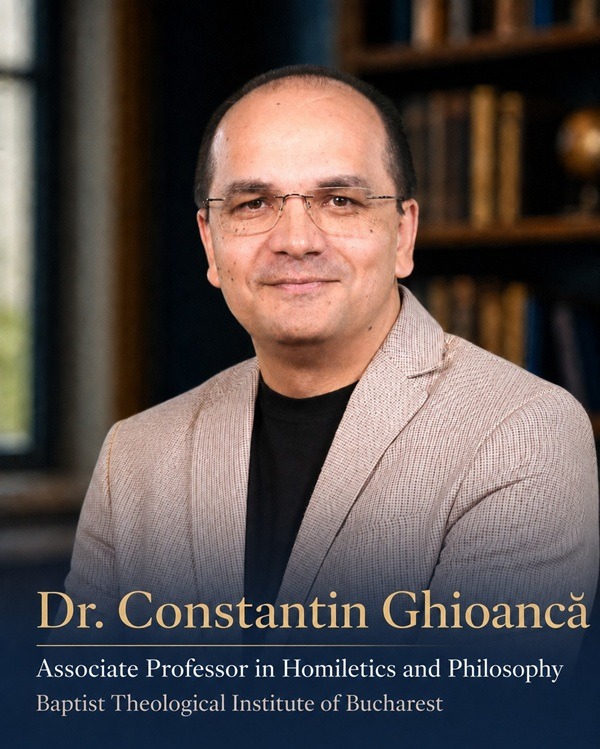
Preaching Biblical Metanarratives in the Age of Epistemic and Social Relativism
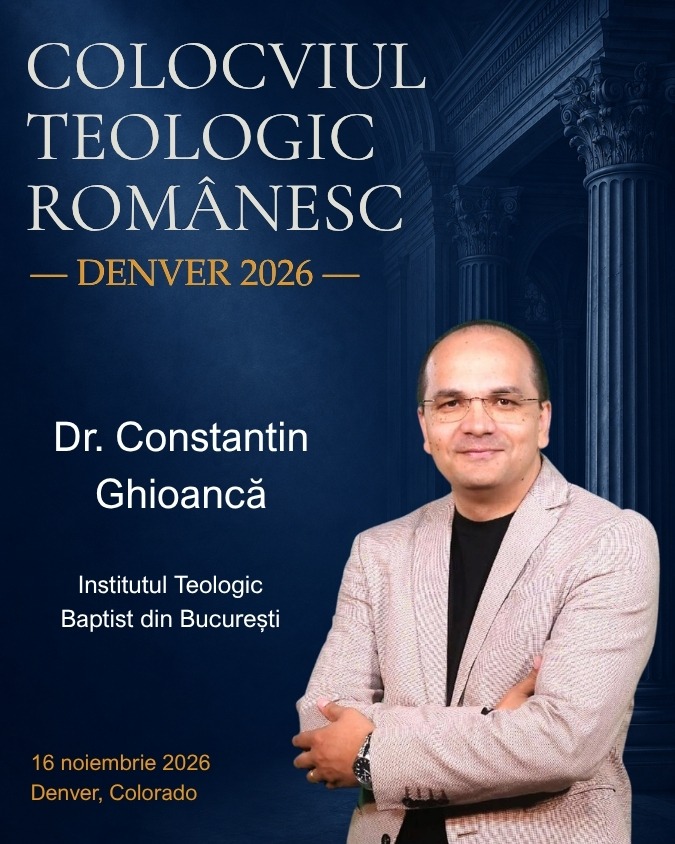
Dr. Constantin Ghioancă
Associate Professor in Homiletics and Philosophy, Baptist Theological Institute of Bucharest
Abstract. This paper explores the difficult task of biblical preaching in the contemporary context of epistemic and social relativism, with particular attention to the communication of biblical metanarratives, understood here as the overarching scriptural account of creation, fall, redemption, and final restoration. As such, it is a study in homiletics that intersects with philosophy, apologetics, and the sociology of religion. The paper is structured in three main parts. First, it defines the concept of metanarrative from both theological and philosophical perspectives, highlighting the principal theoretical and practical tensions that emerge at the intersection of biblical metanarratives and postmodern society. Second, it examines how epistemic relativism and social relativism pose distinct yet interrelated challenges to biblical preaching and argues that these challenges make the proclamation of biblical metanarratives not less, but more necessary, because relativism’s own critique of totalizing discourse can be redirected to expose the implicitly totalizing claims of relativism itself. Finally, the paper proposes several practical approaches and techniques – among them narrative apologetics and dialogical preaching strategies – for effectively preaching biblical metanarratives in a relativistic cultural context. Drawing on theological anchors and communicative techniques inspired by the very challenges posed by relativism, it seeks to demonstrate how the contemporary intellectual climate can be redirected in service of biblical proclamation.
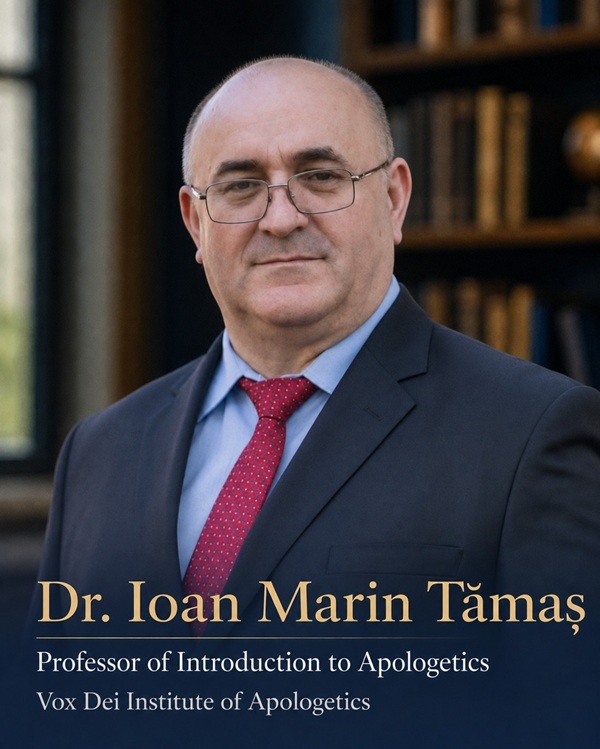
The Cross, Victory, and the Paradox of Freedom: Existential Theodicy, Christocentric Response, Transfiguration, and Freedom in the Work of Nicolae Steinhardt
Dr. Ioan Marin Tămaș
Professor of Introduction to Apologetics at the Vox Dei Institute of Apologetics
Abstract. This study investigates the witness and work of the Orthodox monk Nicolae Steinhardt (1912–1989) — primarily focusing on his masterpiece The Happiness Diary (Jurnalul fericirii), alongside Giving You Shall Receive (Dăruind vei dobândi) and The Danger of Confession (Primejdia mărturisirii) — as an existential and Christocentric response to the problem of evil and suffering. The research takes as its departure point the fundamental distinction between classical philosophical theodicy (aimed at a rational explanation of divine providence in the face of evil) and the existential Christian response, which addresses how faith preserves meaning, dignity, and inner freedom under extreme totalitarian oppression.
The core thesis posits that Steinhardt does not construct a strictly rationalist, explanatory theodicy, but rather develops an apologetics of spiritual victory and inner freedom. Steinhardt, grounded in the patristic understanding of evil as a deprivation of good (privatio boni), demonstrates that although evil never ontologically justifies suffering, voluntary embrace of the Cross and a transformative personal encounter with the Risen Christ dismantle evil’s ultimate power. Through a critical comparison with secular strategies of moral defiance (Aleksandr Solzhenitsyn, Aleksandr Zinoviev, Vladimir Bukovsky), the study shows that only the “Evangelical Solution” — dying beforehand to worldly attachments — completely disarms the mechanics of terror and fear. The methodology integrates theological and conceptual analysis with textual hermeneutics, biographical context, and a critical examination of Romanian carceral phenomenology. Steinhardt’s clandestine baptism in cell 18 at Jilava Prison and his ethics of “Christian nobility” (boieria creștină) are interpreted as events of charismatic transfiguration. The original contribution of this research lies in delineating a triadic typology of Steinhardtian freedom — freedom from fear, freedom through the Cross, and freedom for self-giving — showing that his testimonial witness complements theoretical theodicy and provides a resilient paradigm for contemporary dialogues on faith and secularization.
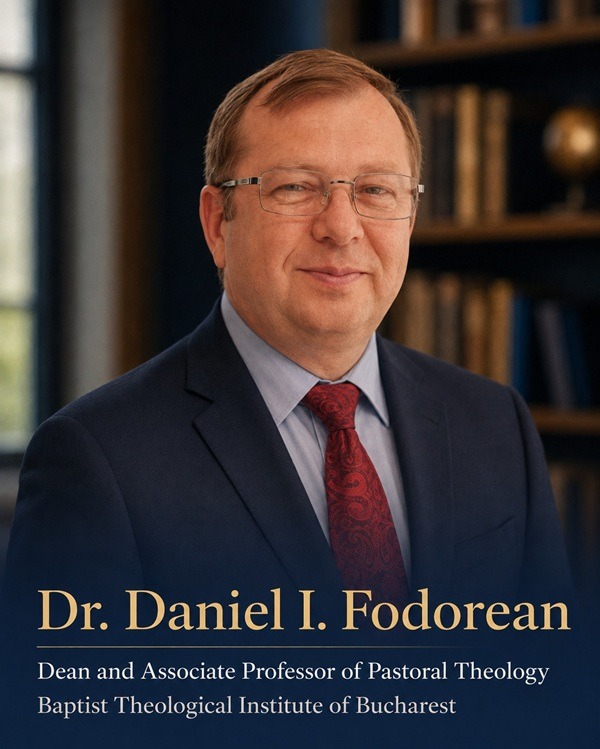
The Ongoing Formation of Christian Leaders for Defending the Faith in the Age of AI: Can ChatGPT Replace Spiritual Mentorship?
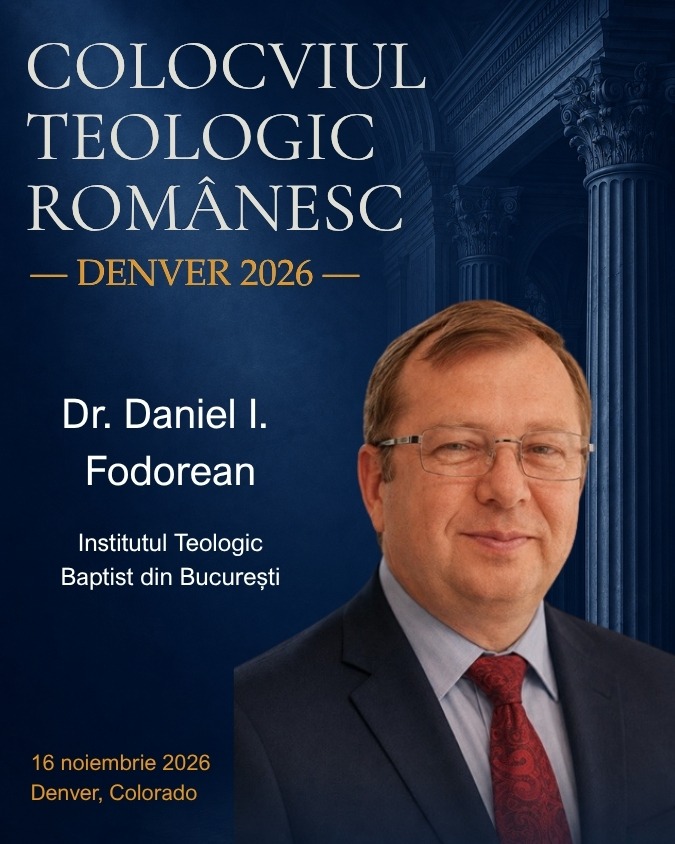
Dr. Daniel I. Fodorean
Dean and Associate Professor of Pastoral Theology, Baptist Theological Institute of Bucharest
Abstract. As generative artificial intelligence becomes an increasingly common source of information, guidance, and personalized advice, Christian leaders are using tools such as ChatGPT for theological research, ministry preparation, decision-making, and personal reflection. This development raises an important question for Christian leadership formation: Can AI complement spiritual mentorship without becoming a substitute for the relational and ecclesial processes through which Christian leaders are formed?
Employing a theological-analytical methodology, this study brings biblical models of mentorship and spiritual formation into dialogue with the emerging capabilities of conversational artificial intelligence. It argues that ChatGPT can support leadership development by facilitating access to information, generating reflective questions, analyzing ministry scenarios, presenting alternative perspectives, and assisting with apologetic preparation. Nevertheless, it cannot fulfill the essential functions of Christian spiritual mentorship. Biblical mentorship is relational, embodied, morally accountable, ecclesially situated, and dependent upon the transformative work of the Holy Spirit. Artificial intelligence possesses neither personal character nor spiritual discernment and therefore cannot model a faithful Christian life, exercise pastoral responsibility, participate in Christian community, or provide the mutual accountability required for character formation. Moreover, uncritical reliance on AI-generated counsel may expose Christian leaders to inaccurate information, confirmation bias, weakened human relationships, breaches of confidentiality, and the improper delegation of theological and moral judgment to technological systems. The study therefore proposes an integrative model of leadership formation that is grounded in Scripture, dependent upon the Holy Spirit, embedded within Christian community, led by human mentors, and responsibly assisted by AI. It concludes that ChatGPT should be employed as a formative instrument rather than regarded as a spiritual mentor. In the age of AI, defending the faith requires not only sound arguments but also leaders whose theological discernment, character, and credibility are cultivated through authentic relationships within the Christian community.
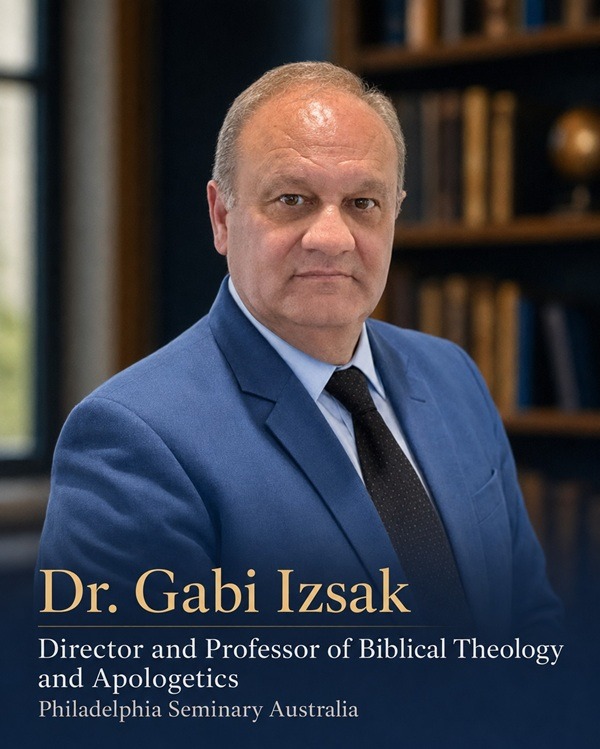
False Theories About the Resurrection of Jesus
Dr. Gabi Izsak
Director and Professor of Biblical Theology and Apologetics at Philadelphia Seminary, Australia
Abstract. The Resurrection of the Lord Jesus Christ is a cornerstone of the Christian faith. It is an undeniable truth. The Gospel narratives describe this truth, and the Book of Acts contains the apostles’ accounts of the Resurrection of Jesus Christ. The Epistles record aspects of the Resurrection, as well as the fact that Jesus Christ is the Head of the Church. And, not least, the Book of Revelation presents Christ as the One who is Risen and Ascended to heaven, while also describing His return in glory. Over time, various alternative and critical theories have emerged regarding the events following the crucifixion of the Lord Jesus Christ. The aim of these theories is to challenge the historicity or the physical nature of the resurrection. Therefore, it is crucial for us as believers to refute, using Holy Scripture, all the hypotheses put forward over the years.
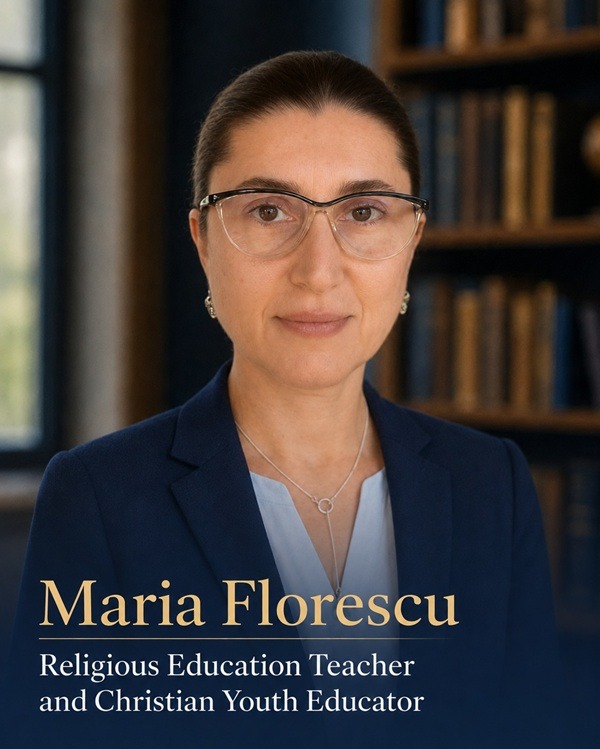
Forming Christian Faith in Adolescence in a Secularized Culture: Religious Education as a Pedagogy of Discernment and Witness
Maria Florescu
Religious Education Teacher and Christian Youth Educator
Abstract. How can Eastern Orthodox religious education contribute to the formation of adolescents who are able to assume, articulate, and responsibly defend Christian faith in a secularized and religiously pluralistic environment? This study argues that the apologetic task of religious education should not be reduced to the transmission of isolated arguments or to preparation for polemical encounters. Existing work on religious literacy rightly emphasizes knowledge of religion, engagement with diversity, and the ability to participate in plural societies, while apologetic literature emphasizes the intelligibility and reasonableness of Christian belief. The present study brings these strands into conversation and proposes a pedagogical framework termed the “pedagogy of discernment”. The framework describes a gradual movement from religious literacy to theological understanding, discernment, argumentation, respectful dialogue, and responsible Christian witness. The argument is developed through a theological-pedagogical reading of biblical texts, especially 1 Peter 3:15-16 and Acts 17:10-34, together with a patristic reading of Basil the Great’s Address to Young Men on the Right Use of Greek Literature and selected modern research on adolescent religious identity and religious education. The study concludes that apologetic formation is best understood as an integrated cognitive, dialogical, moral, and existential competence. It should strengthen rather than replace the spiritual and ecclesial dimensions of Christian formation, while remaining proportionate to students’ age and respectful of freedom of conscience.
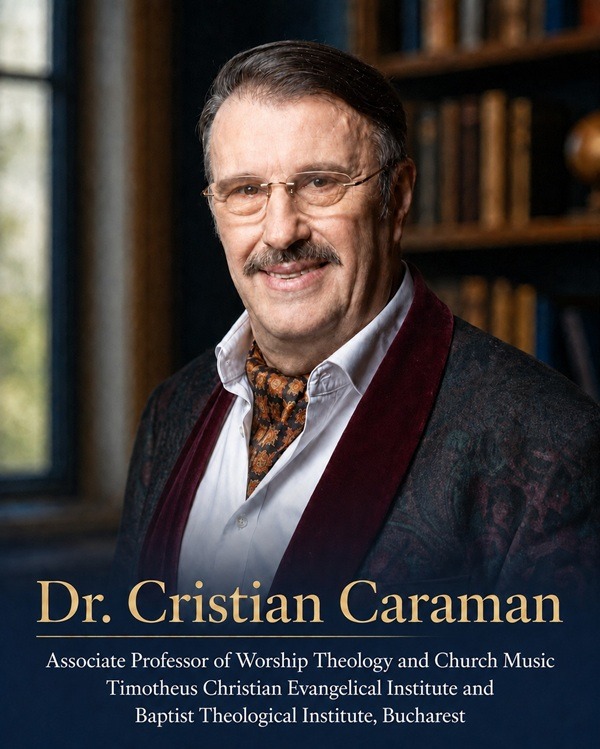
Defending the Faith in a Changing World: Musical and Homiletic Rhetoric in the Service of Christian Apologetics
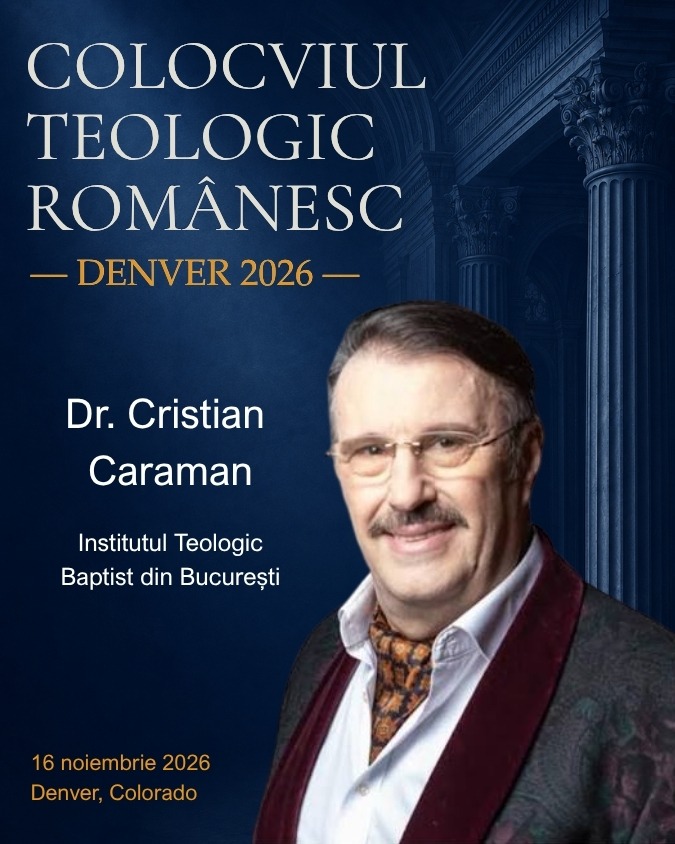
Dr. Cristian Caraman
Associate Professor of Worship Theology and Church Music at Timotheus Christian Evangelical Institute and Baptist Theological Institute, Bucharest
Abstract. The article analyzes the relationship between homiletical rhetoric and musical rhetoric in the defense and transmission of the Christian faith, with particular emphasis on their contribution to the edification of the Church. The point of departure is the Church’s responsibility to communicate the truth of the Gospel within a cultural context characterized by changing forms of communication and the need to make the Christian message intelligible to contemporary audiences. The study examines the theological and rhetorical foundations of Christian communication, focusing on preaching as an act of interpretation and proclamation, as well as on the preacher’s responsibility toward the text, the community, and the context. It then considers musical communication in the Church, with particular attention to the relationship between text and musical expression, congregational participation, and the role of music in shaping community memory and identity. Special attention is given to the relationship between truth and form: neither rhetorical competence nor musical expressiveness can justify itself by the effect it produces, but by its capacity to serve the content of the faith. From this perspective, preaching and singing are not competing forms of communication, but distinct forms that can support one another. The proclaimed Word explains and applies the truth of Scripture, while the sung Word can express, memorize, and communally appropriate it. The study argues that homiletical and musical rhetoric can be understood as forms of ministry through which the Church transmits the faith, forms the community, and bears witness to the Gospel in a changing world.
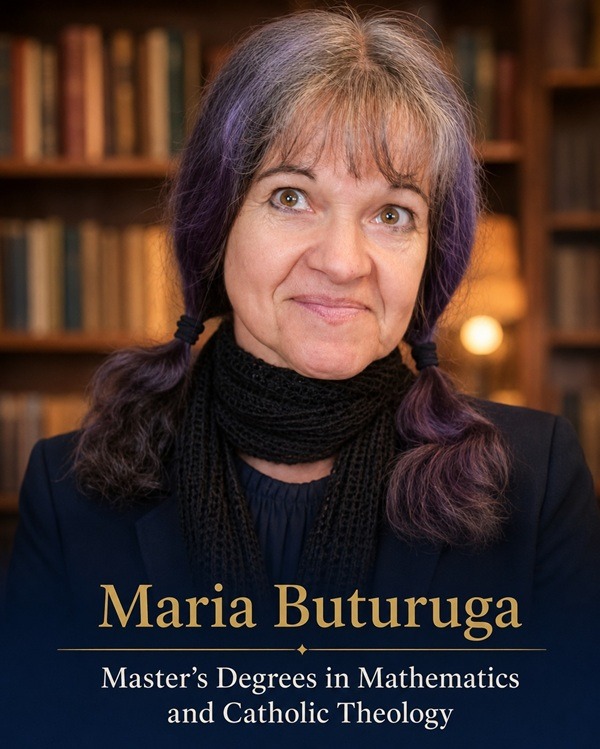
Christian Apologetic Responses to Some Objections from Asian Religions
Maria Buturuga, MSc, MA
Abstract. The intention of this research is to create practical matrix tools for the Christians who face objections regarding the similarities and differences between Christianity and the major faiths of Asia, Hinduism and Buddhism. These tools, starting from particular issues can support the construction of defense mechanisms for the Christian faith, useful for Christians in everyday life, at social and community levels. Where European or North American Christianity meets beliefs originating from the geographical area of Asia introduced to the West – since more and more Yoga schools with courses adapted to the average Westerner have appeared -, objections arise in a wide range of expressions and impressions. We can address these with the tools of apologetics, tools which serve the themes of comparative religions, increasingly approached at the level of secular or civil level society, requiring a clear and confident attitude from Christians involved, in one way or another, within the family, in faith communities and in secular society.
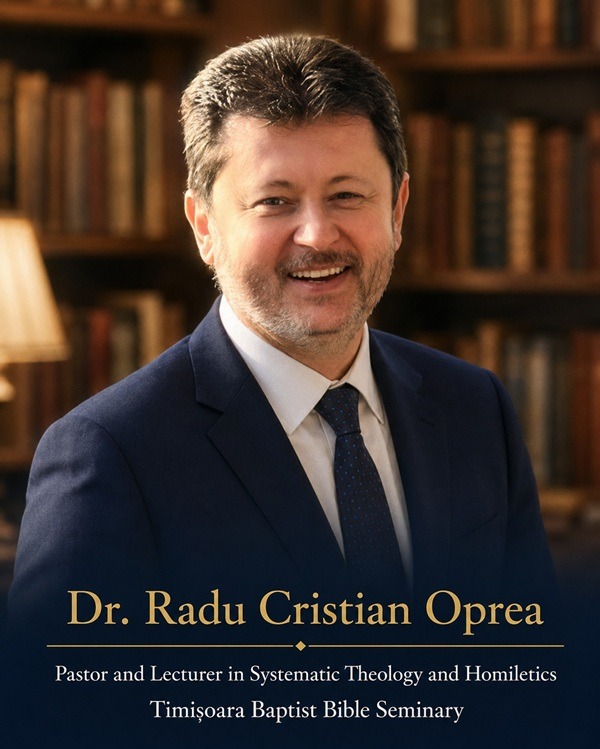
From Courtroom Accuser to Cosmic Adversary: The Development of Satan in Israelite, Second Temple, and Early Christian Thought
Dr. Radu Cristian Oprea
Pastor and Lecturer in Systematic Theology and Homiletics at Timișoara Baptist Bible Seminary
Abstract. The Hebrew Bible does not present a fixed, personal cosmic antagonist under the name “Satan.” In its main Old Testament occurrences, śāṭān is a title, not a proper name: it denotes an adversarial or accusing role within Yahweh’s heavenly court. This paper traces how that courtroom figure, first visible in Job, Zechariah, and 1 Chronicles, splits into several different portrayals across Second Temple Jewish literature — 1 Enoch, Jubilees, the Qumran texts, the Life of Adam and Eve, the Testament of Solomon — before the New Testament and the patristic writers pull these strands into something closer to later Christian doctrine. Two points of ongoing scholarly disagreement get sustained attention. The first is Genesis 6:1–4, where even conservative evangelical scholars split into at least three incompatible readings. The second is Michael S. Heiser’s “divine council” thesis, whose key exegetical support has drawn detailed textual criticism from scholars within his own theological tradition. I also compare the biblical material with Zoroastrian dualism, Quranic accounts of Iblis, and rabbinic Judaism, which largely resists a cosmic reading of Satan. My argument is that the figure develops cumulatively and unevenly rather than along a single line — an argument that should change how this material gets taught.
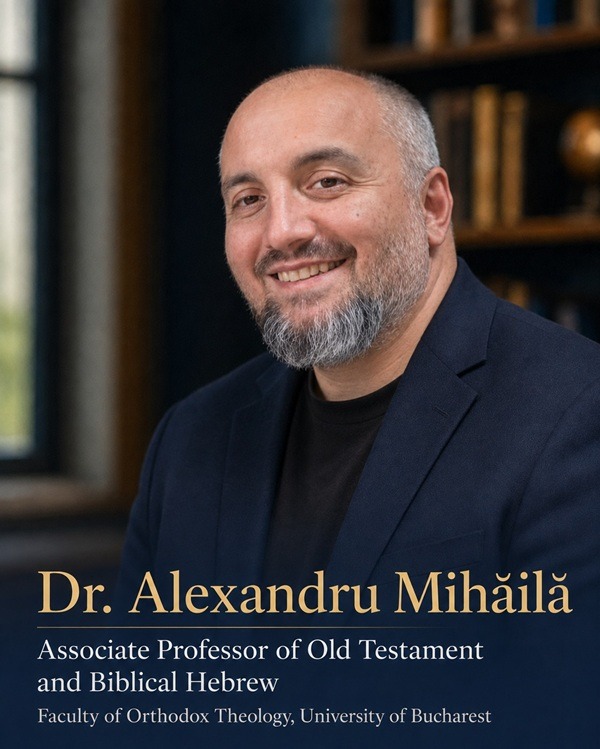
Public Debates on the Existence of God: Arguments and Weaknesses
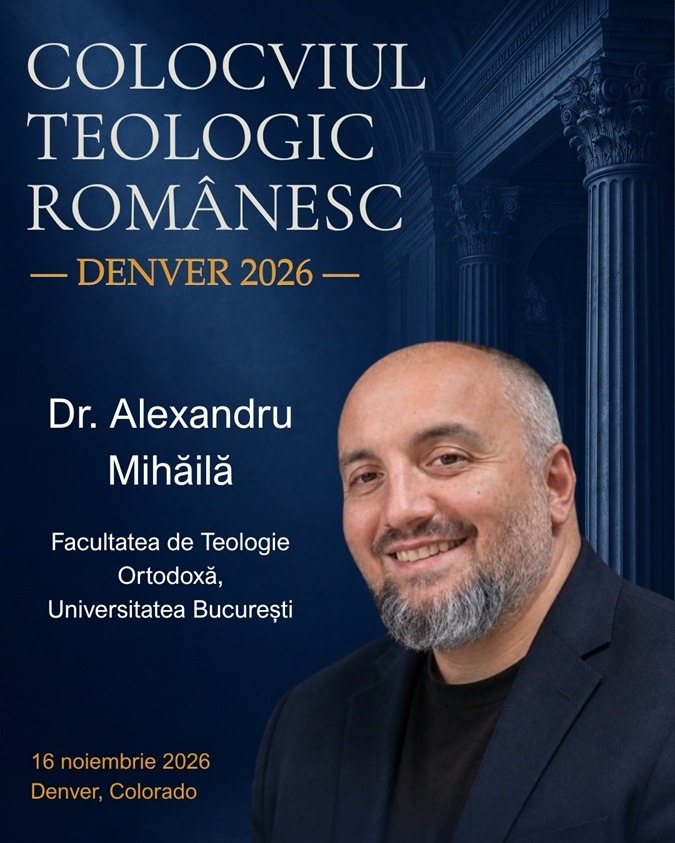
Dr. Alexandru Mihaila
Associate Professor of Old Testament and Biblical Hebrew at the Faculty of Orthodox Theology, University of Bucharest
Abstract. This presentation examines public debates on the existence of God, from the historic exchange between Bertrand Russell and Frederick Copleston to contemporary encounters involving William Lane Craig, Graham Oppy, John Lennox, and prominent atheist thinkers. It presents the principal cosmological, moral, and design arguments, alongside appeals to religious experience, consciousness, and the applicability of mathematics. Particular attention is given to objections concerning evil, explanatory necessity, evidential standards, and the limits of scientific knowledge. The analysis distinguishes arguments for a first cause from claims about a personal, morally perfect God or the truth of Christianity. It also identifies recurring weaknesses: contested premises, ambiguous definitions, unjustified inferential transitions, and confusion between criticism of religion and refutation of theism.
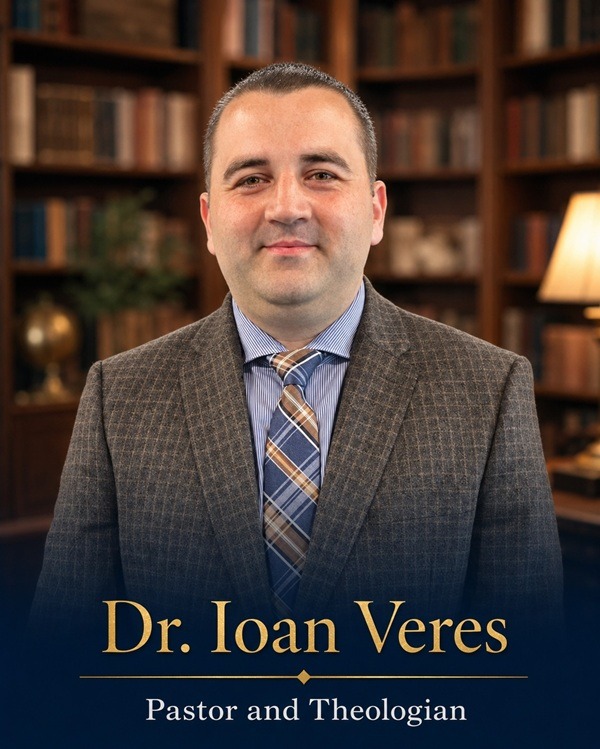
Defending Christian Anthropology in the Age of Reproductive Technology: A Critical Analysis of Joseph Fletcher’s Situation Ethics
Dr. Ioan Veres
Pastor and Theologian
Abstract. This essay examines Joseph Fletcher’s situation ethics and argues that his approach to contraception and reproductive technology rests on a flawed understanding of God and human nature. Fletcher posits agape love as the sole absolute moral norm, treating all other rules as contingent on circumstances and human needs. The essay traces this stance through Fletcher’s pragmatism, relativism, theological positivism, and personalism, ultimately showing how his ethical framework places human judgment above biblical revelation. The essay also critiques Fletcher’s selective portrayal of God as love, which omits divine holiness and righteousness. This theological reduction yields a functional view of personhood in which attributes such as intelligence, self-awareness, independence, and quality of life determine human value. Such criteria exclude unborn children, individuals with severe disabilities, and other vulnerable persons from receiving full moral protection. Fletcher’s support for contraception, abortion, genetic control, and reproductive regulation is evaluated against a biblical anthropology grounded in the imago Dei. The essay concludes that genuine Christian love cannot be separated from truth, justice, holiness, or Scripture, and affirms that every human life possesses derived dignity from conception.
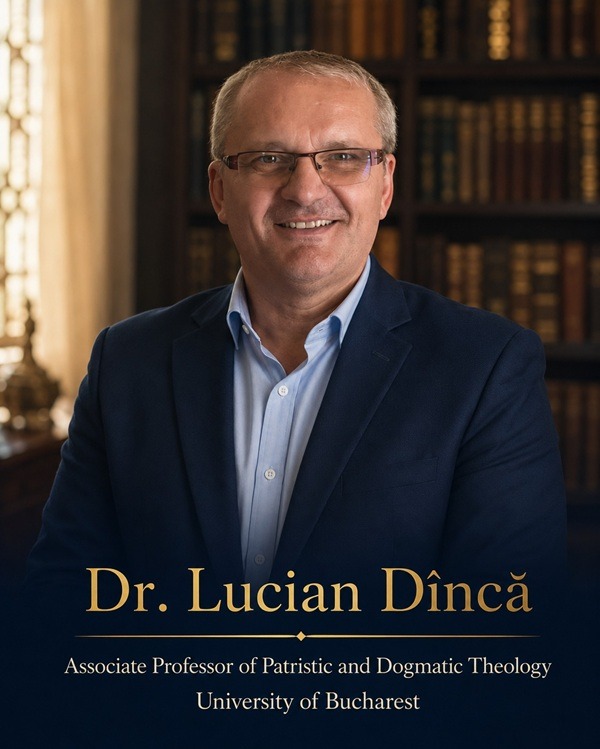
Athanasius of Alexandria, Defender of the Nicene Faith Against Arian Tendencies in 4th-Century
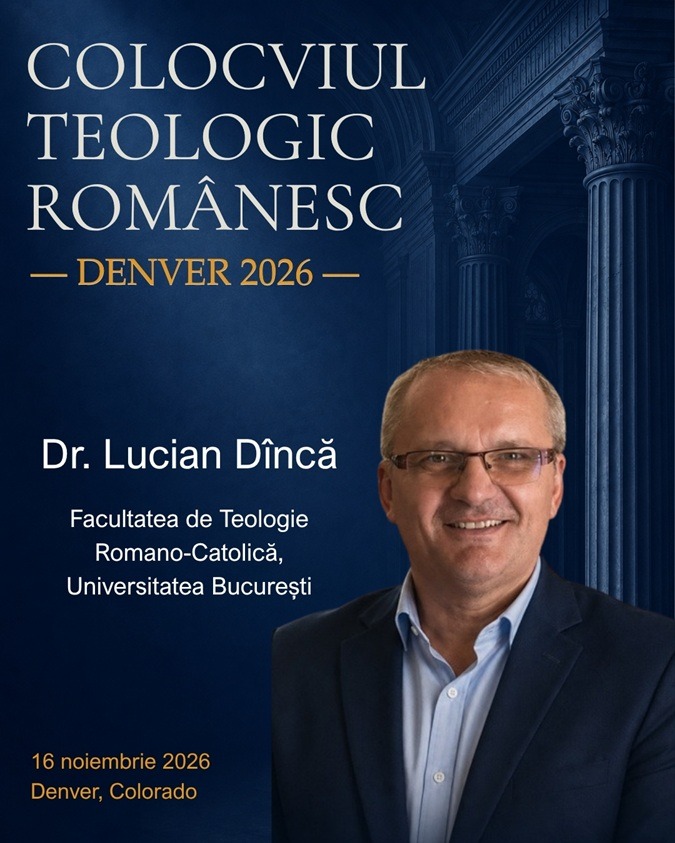
Dr. Lucian Dîncă, A.A.
University of Bucharest, Faculty of Roman Catholic Theology
Abstract. The Ecumenical Council of Nicaea (325) marked an essential event in the theology and doctrine of the Church. With the very divinity of the Savior under attack by the theology of the priest Arius (250–336), theologians – who had just experienced the dawn of Church freedom following the accession of Emperor Constantine the Great – found themselves compelled to react. They convened several local synods between 320 and 324, hoping to persuade Arius to abandon his creationist view of the Incarnate Word and adopt the position of his bishop, Alexander of Alexandria, who maintained that the divinity of the Son of God was equal to that of the Father. The priest’s obstinacy and disobedience toward the ecclesiastical hierarchy led the Emperor to decide to convene an ecumenical council, enabling the Church to make an official and definitive pronouncement on the dogma in question. The outcome of this gathering was the Nicene Symbol (the Creed), which henceforth became the regula fidei – the norm of faith for all Christians. The return of the Council Fathers to their respective dioceses did not immediately lead to the implementation of this Creed; instead, each Church continued to use its own existing symbols of faith, which lacked the key term established at Nicaea – homoousion – signifying that the Son is of the same substance as the Father, true God from true God. Upon becoming Bishop of Alexandria in 328, Athanasius campaigned for the adoption of the Nicene Creed, the only formula of faith capable of rooting out the Arian doctrine – a teaching that was spreading rapidly and gaining ground thanks to the pro-Arian religious policies of the empire. In this presentation, we will examine how the Bishop of Alexandria – rightly hailed as the “champion of the Nicene faith” – sought to implement the Nicene Symbol and to counter Arian thought using biblical, patristic, and theological arguments, thereby defending the Nicene faith.
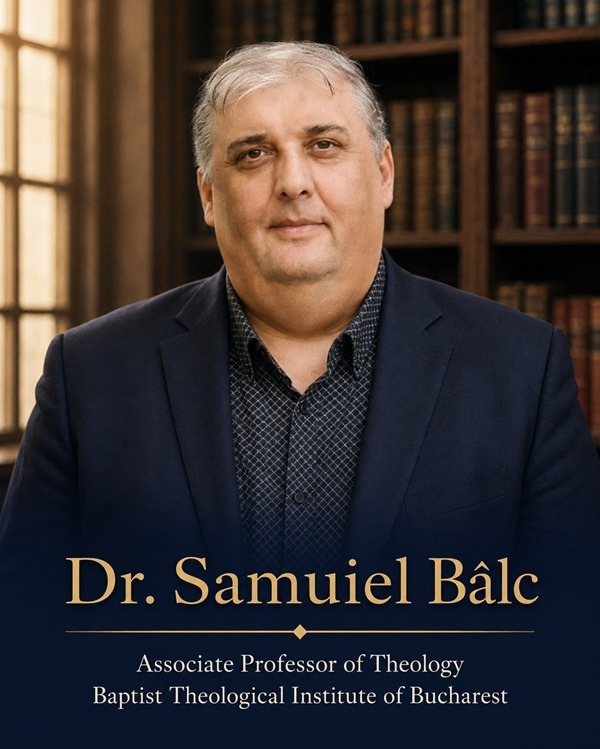
Defense of the Faith as a Theological and Ecclesial Responsibility in the 21st Century
Dr. Sаmuiel Bâlc
Bаptist Theologicаl Institute of Buchаrest; Timotheus’ Brethren Theologicаl Institute, Buchаrest
Abstract. In the dynamics of contemporary society, marked by secularization, religious pluralism and the acceleration of digitalization processes, the defense of the Christian faith is configured as a fundamental theological and ecclesial responsibility. This responsibility is not limited to the discursive defense of the truths of faith, but involves a permanent exercise of ecclesial discernment, fidelity to Revelation and the assumption of a testimony capable of responding to the cultural challenges of the 21st century. The study analyzes the relationship between the new forms of mediatization of faith and the sacramental identity of the Church, highlighting the tension between the expansion of the digital presence and the concrete, communitarian and sacramental character of ecclesial life.
Although easy access to the biblical text constitutes a significant missionary opportunity, the fragmentation of attention and the superficiality of information consumption can generate a real crisis of reading, interpreting and internalizing the Word of God. In this context, Christ remains the center and foundation of faith, as well as the theological criterion of any form of Christian testimony. In conclusion, the article supports the need to overcome the paradigm of transmitting simple “Christian content” in favor of an authentic testimony, in which the truth proclaimed is confirmed by the life of the believer and by ecclesial communion. The defense of the faith thus becomes not only an apologetic work, but an expression of the Church’s mission, Christocentric founded, anchored sacramentally and oriented towards responsible dialogue with the contemporary world.
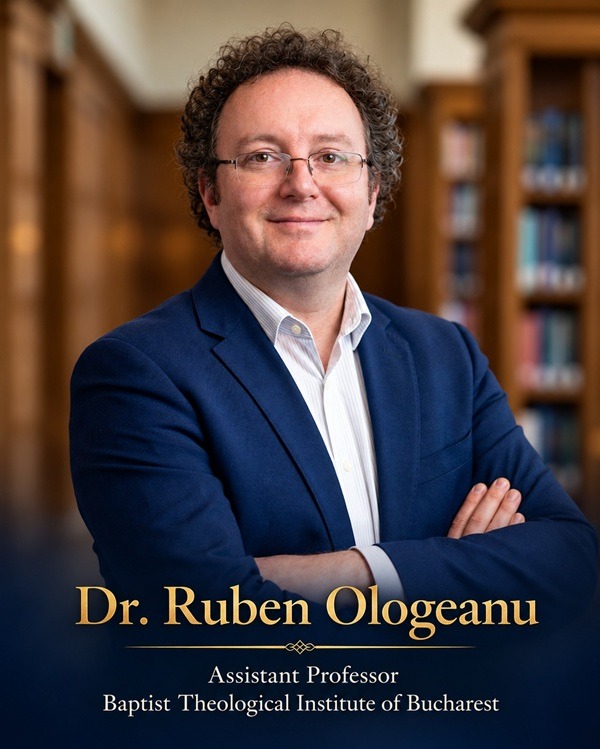
Defending Faith in a Changing World: Contemporary Epistemological and Theological Perspectives
Dr. Ruben Ologeanu
Pastor and Lecturer in Baptist Studies at the Baptist Theological Institute of Bucharest
Abstract. This article examines the epistemic and cultural status of religious belief in the context of late modernity, marked by secularization, pluralism, and accelerated techno-scientific progress. Starting from Charles Taylor’s thesis in A Secular Age and from debates on global desecularization, the paper analyzes the main philosophical and theological strategies for the rational defense of faith: reformed epistemology, evidentialist argumentation, the contributions of evangelical apologetics centered on the historicity of revelation, the reaffirmation of natural theology within Catholic academic thought, the dogmatic synthesis and trinitarian personalism of Eastern Orthodox theology, and models of dialogue between science and religion. It is argued that, far from being anachronistic, the defense of faith (apologetics) remains a legitimate and necessary intellectual pursuit in a world marked by the fragmentation of epistemic authority, sustained by an extensive body of academic literature published both by leading secular university presses and by confessional publishers with a rigorous academic profile.
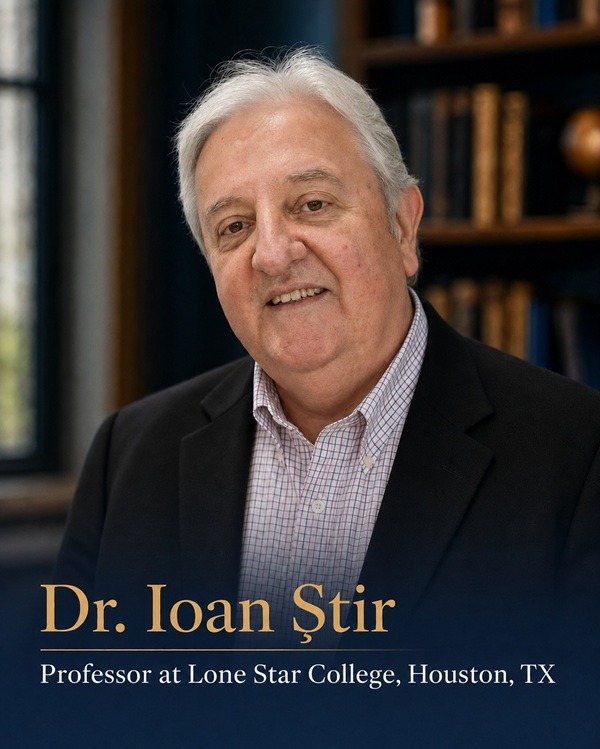
The Wurmbrand Paradigm in Christian Apologetics: A Theology of Suffering and Conviction
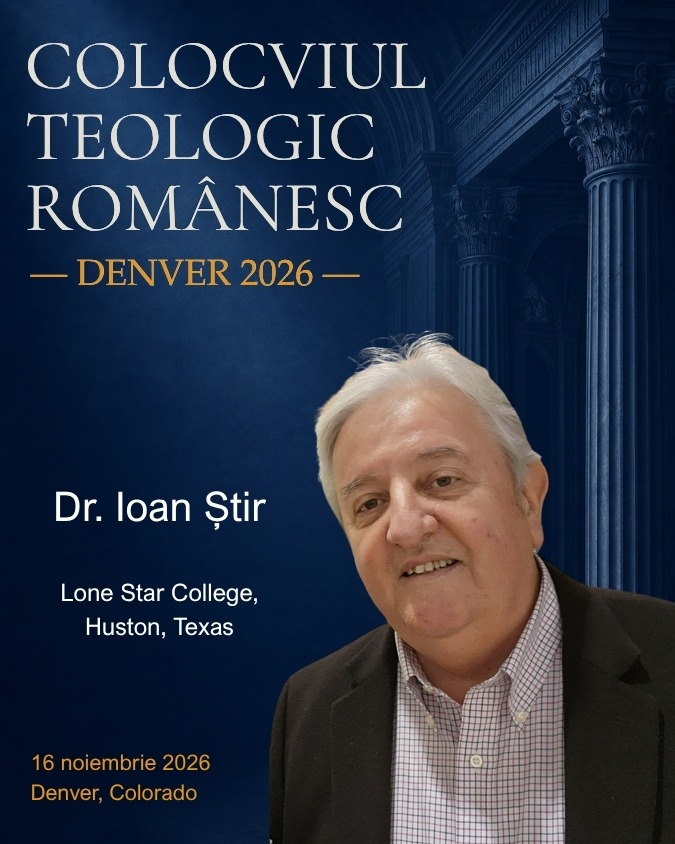
Dr. Ioan Știr
Professor at Lone Star College, Houston, TX
Abstract. In this paper I will present what I call the Wurmbrand Paradigm of Christian Apologetics. I will argue about the spiritual, theological, and moral factors that constitute the core of a steadfast faith defended against all odds to the risk of death.
The Wurmbrand Paradigm conceptualizes Christian apologetics as an embodied, sacrificial, uncompromising, and spiritually grounded witness. Rather than understanding apologetics primarily as an intellectual defense of Christian doctrines, this paradigm emphasizes the integration of theological conviction with lived experience, particularly in contexts characterized by persecution, ideological coercion, and religious oppression. At the same time, it presents a significant challenge to forms of Christianity shaped by cultural comfort, institutional security, or the absence of sustained opposition to faith.
This study articulates the Wurmbrand Paradigm through four interrelated dimensions derived from the life, theology, and Christian witness of Richard Wurmbrand: 1) Embodied apologetics, understood as faith demonstrated through lived experience and faithful practice rather than merely articulated through argument; 2) a Theology of suffering as testimony, in which suffering endured for the sake of Christ becomes a form of theological testimony; 3) Perseverance in faith amid ideological opposition, emphasizing fidelity to Christian truth in the face of political, ideological, and cultural coercion; and 4) Biblically rounded spiritual resilience, referring to the formation of spiritual endurance through sustained reliance upon Scripture, prayer, and the internalization of Christian hope.
Taken together, these four dimensions propose an apologetic model in which the credibility of Christian faith is manifested not only through rational argumentation but also through the believer’s embodied fidelity, sacrificial endurance, resistance to ideological conformity, and Scripture-shaped spiritual resilience.
Wurmbrand’s experience of defending faith in a hostile environment reveals the fact that the theology of suffering that he shared, is a divine calling that deepens fellowship with Christ, strengthens the church, advances the gospel, and liberates believers from fear. He believed that suffering for one’s faith had meaning and value. This perspective allowed him to reinterpret persecution not as defeat, but as participation in Christ’s suffering, which strengthened his endurance.
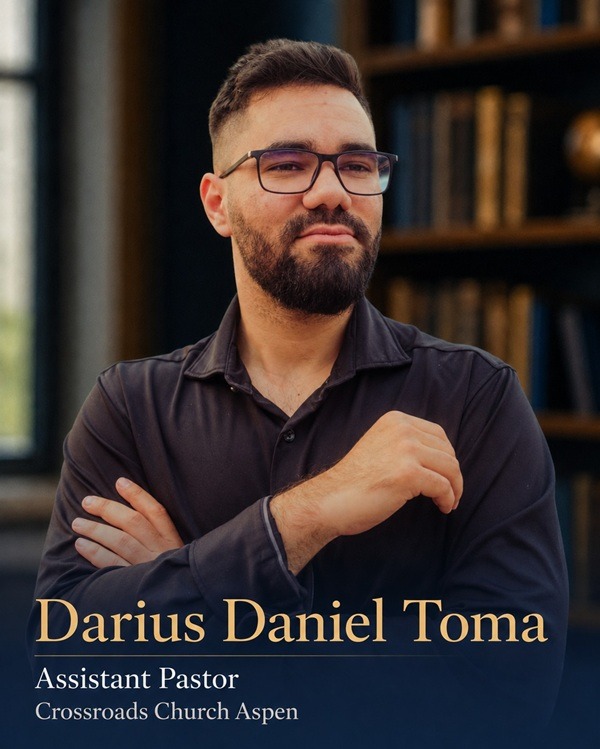
Defending the Faith Within: The Arian Controversy and the Formation of Nicene Orthodoxy
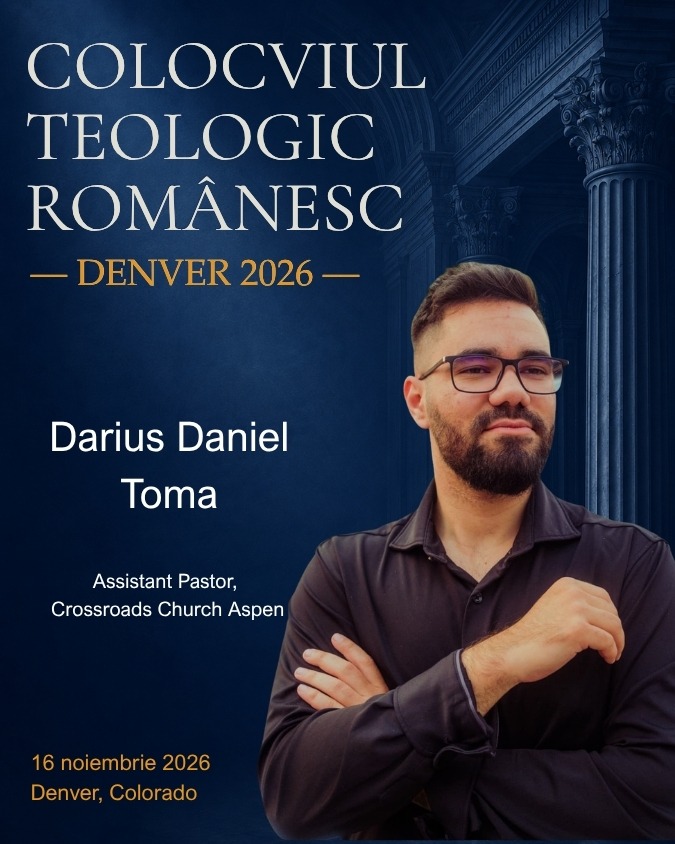
Darius Daniel Toma
Theologian and Assistant Pastor
Abstract. The fourth century confronts the Church with a new apologetic problem. Following the legalization of Christianity, the defense of apostolic faith increasingly occurs within the Church itself, where rival theological interpretations claim fidelity to the same Scriptures and inherited tradition. This paper examines the Arian controversy as a case study in intrachurch apologetics and doctrinal clarification.
It argues that the controversy does not arise from a single misunderstanding. It develops from unresolved tensions within earlier Christian reflection on the relation between the Father and the Son, intensified by the philosophical vocabulary of the Alexandrian tradition. Arius appropriates elements of this inheritance but organizes them into a distinctive account of the Son as subordinate to and ontologically differentiated from the Father. The Council of Nicaea responds by employing homoousios and the formula “begotten, not made” to exclude this interpretation and safeguard the Son’s full divinity. The study examines the surviving fragments attributed to Arius, the correspondence of Alexander of Alexandria, and Athanasius’s anti-Arian writings, while recognizing the fragmentary and polemical character of the evidence. Socrates and Sozomen are used as later witnesses to the controversy’s reception. The paper concludes that Nicaea illustrates both the necessity and danger of intrachurch apologetics: doctrinal defense requires conceptual precision, critical engagement with inherited language, and careful discernment when opposing parties appeal to the same authoritative tradition.
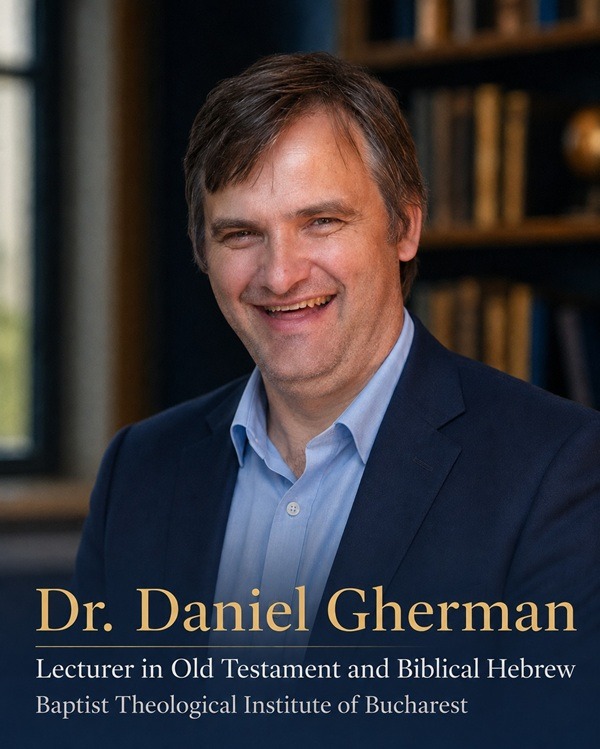
The Bible and the UFO Phenomenon: Three Christian Perspectives
Dr. Daniel Gherman
Lecturer in Old Testament and Biblical Hebrew at the Baptist Theological Institute of Bucharest
Abstract. Defending the faith in a changing world requires engaging with unusual and controversial subjects, including the UFO phenomenon. On February 19, 2026, the President of the United States announced that he would direct the Pentagon and other agencies to identify and release files concerning UFOs/UAPs and possible extraterrestrial life. Subsequently, documents and testimonies were released in at least four batches, prompting a range of responses within Christian and other religious communities. This renewed public attention highlights the need for informed Christian engagement with a phenomenon that has attracted widespread interest since 1947, particularly in relation to biblical interpretation. This paper examines three Christian perspectives on the UFO phenomenon. The first dismisses the phenomenon entirely, giving little credence to reports of UFO. The second interprets the reference to the “sons of God” (benei haelohim) in Genesis 6 as biblical evidence for the existence of extraterrestrial civilizations beyond the Solar System. The third, reflecting a conservative theological interpretation, associates the phenomenon with spiritual entities, both benevolent and malevolent, capable of temporarily assuming material form. Although the paper focuses on Christians perspectives, it also draws on Jewish authors who advance similar interpretations based on the Hebrew Bible, which Christians receive as the Old Testament.
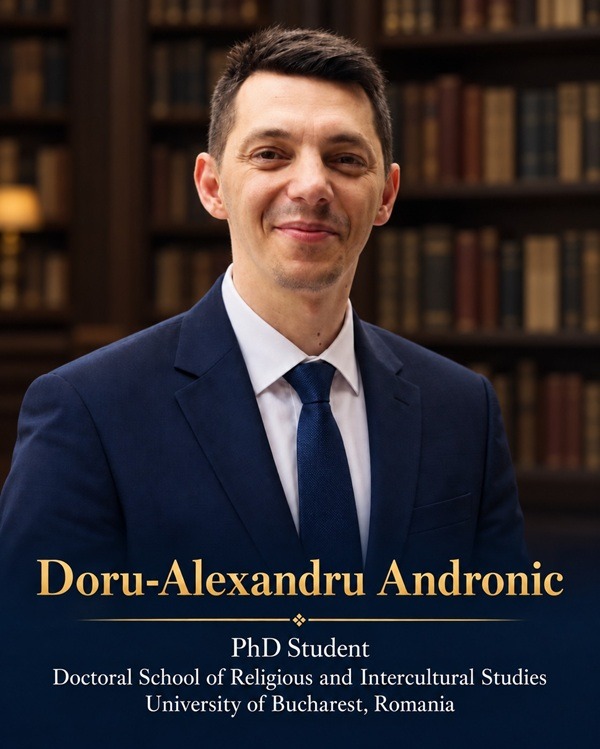
The Apologetic Function of Augustine’s Conversion Narrative in Book VIII of the Confessions
Doru Alexandru Andronic, PhD Student
Doctoral School of Religious and Intercultural Studies – University of Bucharest
Abstract. This study will examine the apologetic function performed by the episode of Augustine’s conversion in Book VIII of the Confessions, beginning with the relationship between his spiritual experience, the narrative construction of this moment, and the articulation of a rigorous argument in favor of the Christian faith. The aim of the study is to highlight the way in which this account goes beyond the framework of a simple historical record, being conceived as a theological discourse with a strong persuasive orientation, in which the author’s existential journey becomes, by extension, both a testimony of faith and a plea in its favor. The corpus under consideration includes the description of Augustine’s inner conflict, as well as the scene in the garden at Milan, culminating in the injunction tolle lege and the reading of the Pauline passage in Romans 13:13–14. From a methodological perspective, the present study combines textual analysis with a theological reading, following the sequence of events, the role of Scripture, and the articulation of the relationship between human freedom and the initiative of divine grace. In this context, conversion does not appear strictly as the result of a purely rational demonstration, but also functions as a point of convergence between intellectual inquiry, moral transformation, and supernatural intervention. The essay therefore argues that the conversion narrative can legitimately be interpreted as a form of narrative apologetics, in which Augustine’s autobiographical testimony acquires argumentative value and contributes, implicitly, to presenting the Christian faith as a coherent and rational response to the search for truth in a world undergoing continuous change.
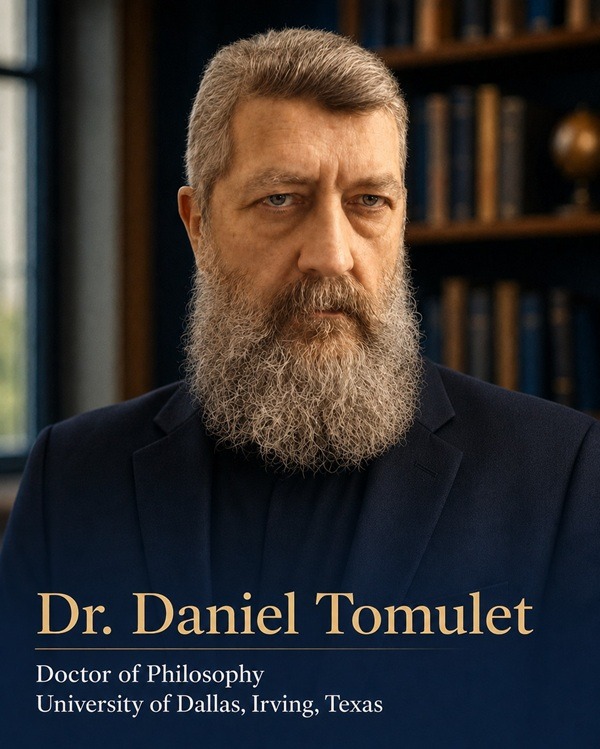
The Subliminal Secularization of the Christian and the Efficacy of the Gospel
Dr. Daniel Tomulet
Abstract. The following material focuses on the phenomenon of tacit secularization one currently observes in the lives of individual Christians—particularly Evangelicals—as well as in the life of the contemporary church. The article posits that subliminal, unconscious secularization constitutes today the primary obstacle to authentic Christian living—both at the individual and communal levels—and, by extension, to effective Christian witness in the world. Following a brief overview of the causes behind this gradual, subliminal secularization of Christian existence, the text attempts to examine the impact of those causes on both the individual believer and the church. It attempts to sketch a portrait of the modern secularized Christian and of the forms of his ineffectiveness. A discussion of available solutions follows, proposing the “Gospel of metanoia” as the answer to the crisis of individual life, and a shift from quantity to spiritual quality as the response to the crisis facing the church. The study concludes with observations regarding the true nature of Christian action in the world, amidst the current cultural crisis.
Contribuții în Așteptare
Autorii înregistrați la această ediție ale căror materiale scrise urmează să fie adăugate.